Thursday, May 5, 2016

Tips for Maintaining a Healthy Diet in Your Golden Years

Maintaining a healthy diet is difficult at any age. Especially for seniors, getting the proper nutritions from your food is important. As we age, certain health-related issues become more prevalent, and healthy dietary changes must be made to compensate. Here are a few things to keep in mind when creating a balanced diet in your golden years:

fruit-1095331_640.jpg

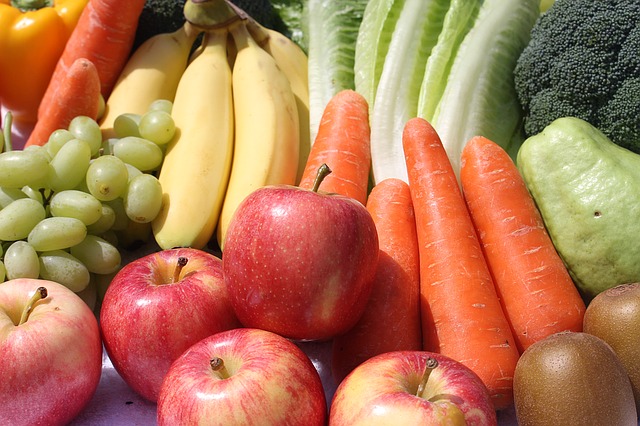
Increase Your Fruits and Veggies

The USDA Food Guide MyPlate Plan recommends that seniors fill half their plate with fruits and vegetables. Vitamins in fruits and vegetables show themselves with color. Bright fruits not only look appealing, but they are the best for your health. And you can’ go wrong with a dark, leafy vegetable. Ph.D. and RD Diane Stadler of Oregon Health & Science University says, "The darker the red, the deeper the green, the more yellow, the more orange -- they're the foods that have function." 
Pro tip: steaming is a good way to get your veggies if you have dental issues.

Take Care of Your Bones

Plenty of dairy is essential in your diet as you age, as they are excellent sources of vitamin D and calcium. The average person doesn't get enough dairy in their diet, and as an older adult, it is even more important. If you cannot tolerate dairy products, stock up on water instead of sugary or caffeinated drinks.
Pro tip: Try low-fat or nonfat dairy products to keep the added fats from dairy products at bay.

Stock up on Grains and Fiber
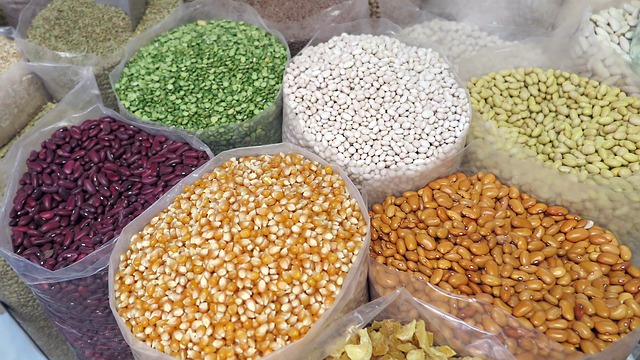
grain-563128_640.jpgKnown as powerhouse foods, grains like whole wheat, quinoa, oatmeal, brown rice, and whole grain pasta are essential to your diet. Fiber and grains are good for your digestive health as well as a healthier way to get plenty of carbohydrates.
Pro tip: don’t like the texture of whole grains? Try mixing with regular options (half flour pasta, half whole grain) to transition yourself.

Chose the Right Proteins

Protein is essential to keeping strong muscles, but too much meat has, in the past, been seen as a source of strain in kidney health. As we now know, protein is an important source of vitamins linked to bone health as well as muscle health - the key is to know your proportions. When picking a cut of meat, remember that visible fat equals saturated fat. The average portion of meat for an adult is about the size of a deck of cards, so anything larger is seen as excess.

Cut Back on Sodium

In nearly anyone’s diet, too much sodium is a big no-no. High sodium intakes pose a greater risk to high blood pressure, hypertension, stroke, and heart and kidney issues, meaning seniors, especially, need to pay close attention.

salt-216499_640.jpg
According to Eatingwell.com, the average person needs less than 1,500 milligrams of sodium daily, but what exactly does that look like?
  • 1/4 teaspoon salt = 600 milligrams sodium 
  • 1/2 teaspoon salt = 1,200 milligrams sodium 
  • 3/4 teaspoon salt = 1,800 milligrams sodium 
  • 1 teaspoon salt = 2,400 milligrams sodium

Eat a Bigger Lunch

The time of day in which you eat is also important. Many seniors are are tired when dinnertime rolls around, and certain food issues can interfere with your sleep schedule. This is why a hearty lunch is important to a senior's diet. Lunch is usually a more thought-out meal, as dinners can become a scavenger hunt of leftovers in the fridge at the end of the day. Use your lunch time to stock up on vitamins, good proteins, and fiber.

Dietary supplements can help, but the best way to balance your diet with vitamins and nutrients is through your food. Our bodies are designed to turn food into energy, and overpowering your body with a certain type of vitamin can throw your digestive system out of whack. Always take nutrition advice from your doctor to heart when it comes to your health, but a properly balanced diet is a good first step to improving your overall health.

Thursday, March 31, 2016

Top Ten Physical Activities for Seniors

An inactive and sedentary lifestyle can lead to increased rates of obesity, heart disease, and joint pain. This means it can be harder to play with your grandchildren and enjoy social situations and leisure activities. Regular physical activity allows you to remain active and independent, with the added benefits of reducing the risk of mental illness, diabetes, arthritis, heart disease, and high blood pressure - to name a few. Regular exercise will also increase flexibility and balance.

For ideas on how to stay physically fit, check out our list of the top ten physical activities for seniors below:

  1. australian-terrier-164087_640.jpg
    Walking. Simple, accessible, and free, daily walks can be an invaluable component to your health at any age. It can help you stay fit, improve cholesterol, strengthen bones, keep your blood pressure in check, lower your risk of a number of diseases, and lift your mood.

  1. Jogging. Jogging can be a more efficient way of building muscle and improving physical health than running. Jog at your own pace, and you will gradually increase your mobility and independence.

  1. Hiking. Hiking provides many of the same benefits as walking with the additional benefits of higher intensity aerobic exercise. Hike safely with a group, and always carry water, emergency supplies, and highly visible clothing. It’s an excellent way to connect to the outdoors and get some fresh air.

  1. Biking and Cycling. An excellent endurance exercise, biking can increase your heart rate and breathing. It can also help keep your waist trim, and stave off the risk of diabetes and certain cancers. For a safe time biking, stay away from high traffic areas, keep yourself well-hydrated, and bike with a partner.

  1. Tennis. Tennis is an excellent life-long sport to maintain agility and balance. It can help improve metabolic function, lower body fat, and increase reflexes. In addition to numerous health benefits, tennis provides social and health benefits as well. It is a suitable sport to play with your grandkids and to reduce stress.

  1. Yoga. Yoga can benefit your muscle tone, balance, posture, and strength as you age. It can also improve your lung capacity and stress levels. To see what stretches would benefit you the most, read 6 Yoga Poses That Age Well.

  1. Swimming and Water Aerobics. The perfect exercise for adults with joint pain, swimming and water aerobics are great exercises because they are less weight-bearing. The buoyancy of the water supports your body and allows you to move with more fluidity than you can out of the water.

  1. emotional-50309_640.jpg
    Dancing. Healthy aerobic exercise is important for your body as you age. It can help improve your energy levels and stay heart-healthy. Dancing is also an excellent way to stay social, make new connections, and increase your social circle. Experiment with different forms of dance to add some variety to your routine.

  1. Strength Training. Lifting weights can keep your muscles strong and improve your strength and flexibility. Strength training can help you build and maintain muscles and increase your metabolism to keep your weight and blood sugar in check. An added bonus? The more muscle you have, the more calories you burn. Learn from a fitness trainer or physical therapist on how to correctly lift and strength train without causing pain and excessive strain.

  1. Tai Chi. Combining movement and relaxation, Tai Chi is an accessible exercise for seniors because balance is an important component of fitness and aging. Tai chi is also excellent for improving lower body and leg strength, enhancing mental capacity and concentration, and improving conditions of Alzheimer’s, multiple sclerosis, and Parkinson’s.

In addition to regular physical activity, maintaining a healthy diet, having regular wellness checks, stretching, and working on your mental and emotional health are all components of a healthy lifestyle. Engage in physical activities that you enjoy, and make the most out of your health. For more information, check out helpguide.org for more tips on exercise and fitness for seniors.