Showing posts with label Health. Show all posts

Tuesday, September 20, 2016

Caregiving Tips for the Sandwich Generation

Caregiving Tips.jpg


The sandwich generation is a term to delegate people who are raising their children while simultaneously taking care of their aging parents. The sandwich generation has the double duty of multigenerational care, which can be both rewarding and exceptionally stressful. In order to provide the best quality care, these special kinds of caregivers must know how to balance a seemingly endless list of responsibilities while also taking care of their own needs. Learn how to balance your responsibilities without losing your own health below:

Prioritize

When it comes to multitasking responsibilities and duties, it’s integral to prioritize. Set short-term and long-term goals and get yourself organized. Think about how you can minimize your workload while still getting the most out of your day. Be flexible and adaptable to changing situations, and know when to delegate responsibilities. Prevent stress by sharing responsibilities with your siblings, spouse, and children. Chances are that your older children can participate in chores and household duties that will benefit the whole family.
shutterstock_157305992.jpg

Find Support

Find a network of support to help you through stressful times. Your partner can be a pillar of support, but seek comfort and encouragement from family members and friends as well. Consider seeking out support groups made of people who understand what you are going through in challenging and stressful times.

Learn to Handle Stress

Between the chores, responsibilities, engagements, and duties, the stress can amount quickly. It is crucial to learn how to decompress. The superhuman mentality of “I can do it all!” can be damaging. Learn when to pause and when to say “no.” It can be hard for caretakers to ask for help because they can see it as a failure to their family, but be forgiving on yourself and understand that one person cannot be expected to handle it all. It takes a village, after all.

shutterstock_280357703.jpg

Take Care of Yourself

It’s true what they say: If you don’t take care of yourself, you won’t be able to take care of loved ones. Set aside time to take care of yourself. Follow a healthy diet, get proper sleep, and make time for adequate exercise; your physical health needs care, too! Remember to engage with friends and prioritize your passions; your emotional and mental health matter as well.


The sandwich generation might seem like a cute nickname, but the novelty wears off rather quickly. Take time for yourself, ask for help, and prioritize your family’s needs (as well as your own) and you’ll do just fine.

For more resources on comprehensive care services and resources for caregivers, visit Waukesha Springs Health & Rehabilitation Center.

Wednesday, June 1, 2016

The Best Houseplants for Seniors

Bring your love of nature and beautiful greenery indoors! Indoor plants can improve mental health and lower blood pressure, stress levels, and anxiety. Plants can brighten up a room and act as natural air purifiers that rid an area of toxins. The plants below are excellent options for seniors that are experienced gardeners as well as those who want low maintenance plants:

african-1331306_640.jpgAfrican Violet

A plant that blooms all year round, the African violet comes in a variety of colors and sizes. This plant is best suited for bright, but indirect sunlight and moderate temperatures. Avoid watering directly on the plant’s leaves to prevent foliage damage and watch the moisture levels of the soil.
aloe-vera-918662_640.jpg


Aloe Vera

An easy to maintain succulent, aloe vera is an ideal indoor plant. It’s also a handy plant to have around because it can provide healing properties to soothe skin cuts and burns and it can clear the air of pollutants and toxins. While it doesn’t need much water, make sure to place it in an area with plenty of sunlight.

Amazon Elephant Ear

A tropical plant with massive leaves shaped like elephants ears, this plant loves indirect sunlight. The Amazon Elephant Ear requires a warm and humid environment. To mimic the humidity of a jungle, mist the leaves with water regularly.
bromeliad-362262_640.jpg

Bromeliads

Belonging to the same family as the pineapple, bromeliads last a long time, and they have the ability to produce side shoots that replace the original plant. With zebra-striped leaves, bromeliads enjoy temps around 70 degrees, making it perfect for the indoors. Just be sure to have good drainage with this plant so the roots don’t suffer.  
spathiphyllum-53063_640.jpg

Peace Lily

A unique and beautiful plant with dark green leaves and curving white blooms, the peace lily enjoys warm temperatures (although not direct sunlight). Preferring low humidity and low light, this plant would thrive in rooms with fewer or smaller
windows.


English Ivy

Named by NASA as the best air-filtering houseplant, the elegant English Ivy is incredibly easy to grow and maintain. Keep it in a pot on the floor or hang it from the ceiling. This plant is best suited for medium sunlight and moderate temperatures.


Caring for an indoor plant has the power of improving your mental and physical health, and it’s excellent for decorating, lighting up the atmosphere and detoxifying the air. Didn’t see your favorite on the list? Comment below with your favorite houseplants!

Thursday, May 5, 2016

Tips for Maintaining a Healthy Diet in Your Golden Years

Maintaining a healthy diet is difficult at any age. Especially for seniors, getting the proper nutritions from your food is important. As we age, certain health-related issues become more prevalent, and healthy dietary changes must be made to compensate. Here are a few things to keep in mind when creating a balanced diet in your golden years:

fruit-1095331_640.jpg

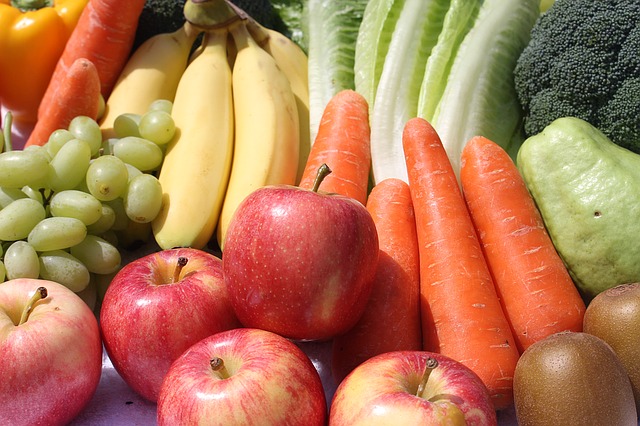
Increase Your Fruits and Veggies

The USDA Food Guide MyPlate Plan recommends that seniors fill half their plate with fruits and vegetables. Vitamins in fruits and vegetables show themselves with color. Bright fruits not only look appealing, but they are the best for your health. And you can’ go wrong with a dark, leafy vegetable. Ph.D. and RD Diane Stadler of Oregon Health & Science University says, "The darker the red, the deeper the green, the more yellow, the more orange -- they're the foods that have function." 
Pro tip: steaming is a good way to get your veggies if you have dental issues.

Take Care of Your Bones

Plenty of dairy is essential in your diet as you age, as they are excellent sources of vitamin D and calcium. The average person doesn't get enough dairy in their diet, and as an older adult, it is even more important. If you cannot tolerate dairy products, stock up on water instead of sugary or caffeinated drinks.
Pro tip: Try low-fat or nonfat dairy products to keep the added fats from dairy products at bay.

Stock up on Grains and Fiber

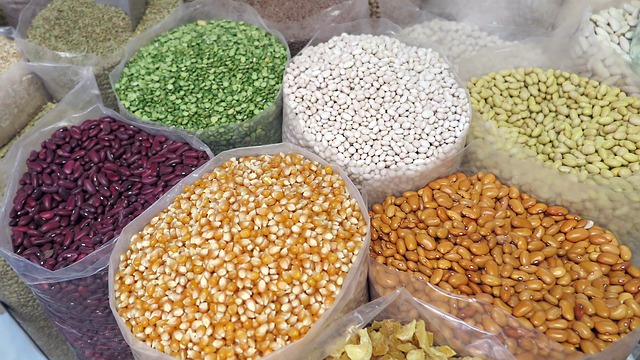
grain-563128_640.jpgKnown as powerhouse foods, grains like whole wheat, quinoa, oatmeal, brown rice, and whole grain pasta are essential to your diet. Fiber and grains are good for your digestive health as well as a healthier way to get plenty of carbohydrates.
Pro tip: don’t like the texture of whole grains? Try mixing with regular options (half flour pasta, half whole grain) to transition yourself.

Chose the Right Proteins

Protein is essential to keeping strong muscles, but too much meat has, in the past, been seen as a source of strain in kidney health. As we now know, protein is an important source of vitamins linked to bone health as well as muscle health - the key is to know your proportions. When picking a cut of meat, remember that visible fat equals saturated fat. The average portion of meat for an adult is about the size of a deck of cards, so anything larger is seen as excess.

Cut Back on Sodium

In nearly anyone’s diet, too much sodium is a big no-no. High sodium intakes pose a greater risk to high blood pressure, hypertension, stroke, and heart and kidney issues, meaning seniors, especially, need to pay close attention.

salt-216499_640.jpg
According to Eatingwell.com, the average person needs less than 1,500 milligrams of sodium daily, but what exactly does that look like?
  • 1/4 teaspoon salt = 600 milligrams sodium 
  • 1/2 teaspoon salt = 1,200 milligrams sodium 
  • 3/4 teaspoon salt = 1,800 milligrams sodium 
  • 1 teaspoon salt = 2,400 milligrams sodium

Eat a Bigger Lunch

The time of day in which you eat is also important. Many seniors are are tired when dinnertime rolls around, and certain food issues can interfere with your sleep schedule. This is why a hearty lunch is important to a senior's diet. Lunch is usually a more thought-out meal, as dinners can become a scavenger hunt of leftovers in the fridge at the end of the day. Use your lunch time to stock up on vitamins, good proteins, and fiber.

Dietary supplements can help, but the best way to balance your diet with vitamins and nutrients is through your food. Our bodies are designed to turn food into energy, and overpowering your body with a certain type of vitamin can throw your digestive system out of whack. Always take nutrition advice from your doctor to heart when it comes to your health, but a properly balanced diet is a good first step to improving your overall health.